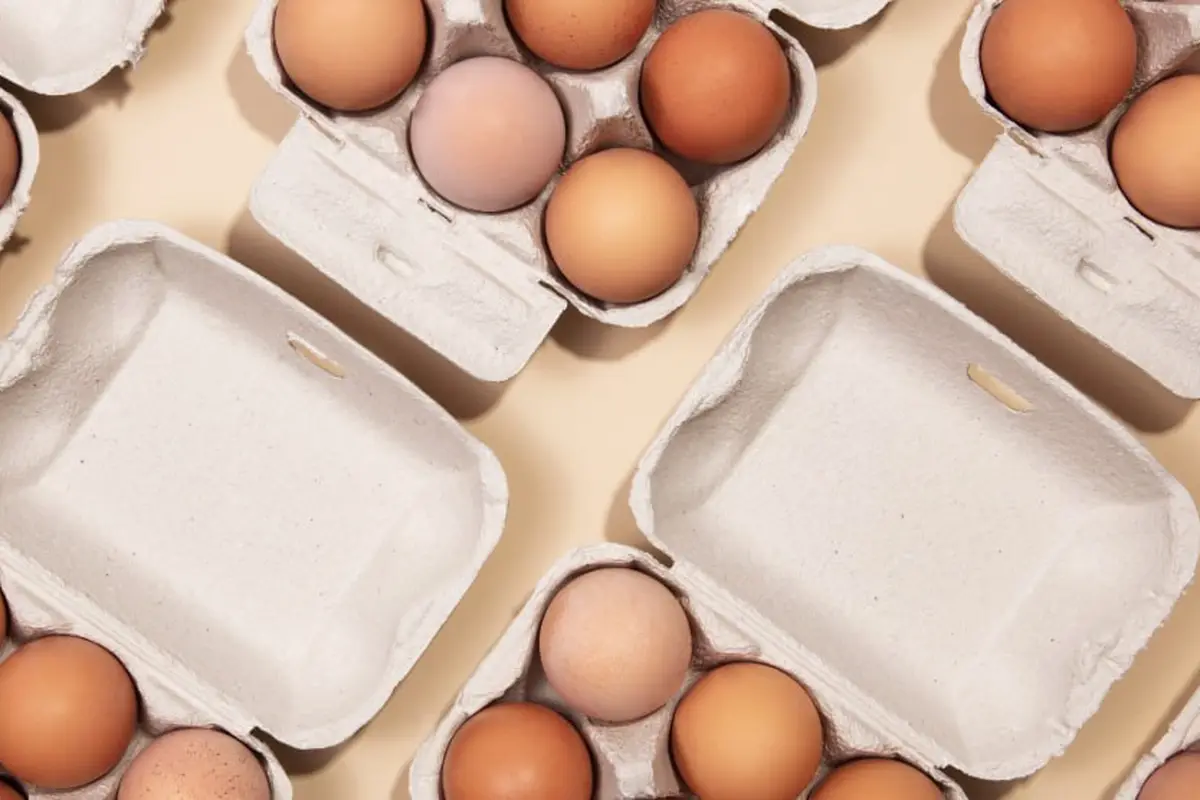
Eggs averaged $2.32 a dozen in October 2026, according to BLS data, down 63 percent from the record $6.23 of March 2025. The USDA’s November forecast expects egg prices to fall 29.5 percent for the year, one of only three grocery categories heading down while food at home rises 2.4 percent. Cheap eggs are genuinely back. They are also one bad flu season away from leaving again, and the wholesale market already flashed a warning this month.
Why Egg Prices Finally Fell in 2026
Egg prices are a supply story, and for four years the supply kept shrinking. Avian influenza has circulated in US flocks since 2022, culling laying hens faster than farms could replace them, and retail egg prices rose 32.2 percent in 2022, 8.5 percent in 2024 and 21.9 percent in 2025, according to USDA’s Food Price Outlook. The $6.23 average of March 2025, the highest in the four decades BLS has tracked eggs, came straight out of that winter’s outbreaks.
This year the supply machine caught up. The USDA projected egg production above 2025 levels, first-quarter flu detections came in below the year before, and enough replacement pullets were available to cover routine flock turnover as well as outbreak losses. Prices slid almost every month, from $2.58 a dozen in January to $2.14 in June, and the BLS average has now spent 12 straight months under $3.
There is one quirk in the numbers. BLS suspended price collection during the fall 2025 federal shutdown, so no October 2025 average exists, and year-over-year comparisons lean on September 2025, when eggs cost $3.49. Measured that way, a dozen now costs about a third less than a year ago.
What Eggs Cost Right Now
Shelf prices follow the wholesale market with a lag, so the wholesale side moves first.
| Type | Price per dozen | As of |
|---|---|---|
| BLS national average, Grade A large | $2.32 | October 2026 |
| Supermarket ad average | $1.25 | November 16, 2026 |
| Wholesale, large whites (USDA benchmark) | 81.92 cents | November 16, 2026 |
| Wholesale, cage-free large whites | 85.51 cents | November 16, 2026 |
A year earlier the wholesale benchmark stood at $2.14 a dozen, so processors are paying 62 percent less than last November. The ad average, tracked in the USDA’s weekly shell egg reports, is the number to hunt as a shopper, because $1.25 promos appear in holiday weeks even while the national average sits near $2.32.
Why Bird Flu Could Push Egg Prices Back Up
The wholesale market turned in November. Cal-Maine, the country’s largest egg producer, culled about 1.8 million birds at a Florida operation, 2.7 percent of its flock, including 360,000 pullets that were meant to lay next spring. Nearly a million more birds were culled in Illinois in October, the USDA confirmed new detections in Kansas and Ohio in early November, and more than 2 million commercial and backyard birds have been affected nationwide in the past 30 days.
The wholesale benchmark went from 27.56 cents a dozen on October 23 to 81.92 cents on November 16, nearly tripling in under a month, including a 27 cent jump in a single week. Shell egg inventories are tightening, down 1 percent overall and 4 percent for cage-free in the latest USDA reports.
Context keeps it in perspective. Two million birds is a small fraction of a national laying flock that runs in the low hundreds of millions, which is why wholesale sits at 82 cents instead of $2.14. Both of the last two spikes, in 2022 and 2025, followed the same sequence, with autumn detections, tightening stocks and a fast wholesale run-up that reached shelves within weeks. From November 2024 to March 2025 the retail average climbed from $3.65 to $6.23.
If the winter stays mild, eggs stay cheap and the USDA’s falling forecast holds. A bad season repeats last winter, and pullet losses like Florida’s 360,000 bite again in spring, because a culled pullet is next year’s missing production.
What Cheaper Eggs Mean for Your Budget
A household that goes through two dozen eggs a week pays $4.64 at the October average, against $12.46 at the peak. That difference, $7.82 a week, is about $406 a year back in your pocket from one grocery item. With holiday baking season here, eggs are the cheapest line on the Christmas dinner budget for 2026 in years.
Buy on the ad, not the average
The $2.32 BLS figure mixes every store, brand and size. Conventional supermarket ads averaged $1.25 a dozen in mid-November, and egg promos are classic holiday loss leaders. Chains reload shelves and flip promos overnight, so the restock and promo schedule at major chains tells you which morning to shop.
Keep a buffer in the fridge
Eggs stay good for 3 to 5 weeks refrigerated, per USDA food safety guidance, and beaten eggs freeze well for up to a year. With the wholesale market this jumpy, picking up two extra dozen on a $1.25 ad is cheap insurance against a repeat of early 2025.
The cage-free premium is nearly gone
Wholesale cage-free large whites closed within about 4 cents of conventional in November. Ten states, including California and Washington, mandate cage-free housing anyway. If that is your preference, this is the cheapest it has been in years.
Eggs are also the exception this year. The USDA forecasts beef and veal up 9 percent for 2026, so why beef is so expensive in 2026 is worth a read while the egg aisle is kind to you.
Enjoy Cheap Eggs While the Flock Holds
Eggs are the rare bright spot in a 2026 grocery cart, $2.32 against a record $6.23, and the USDA expects the drop to hold through the holidays. Bird flu ended the last two cheap-egg runs in a matter of weeks, and November’s wholesale spike says the risk is live again. The practical move is to buy on the ads and keep the fridge stocked while prices sit this low.
That price watching is exactly what FindFox is being built for. It will compare real shelf prices across your local chains, eggs included, so the cheapest dozen this week finds you instead of the other way around. Join the US waitlist to be first in line when it launches.