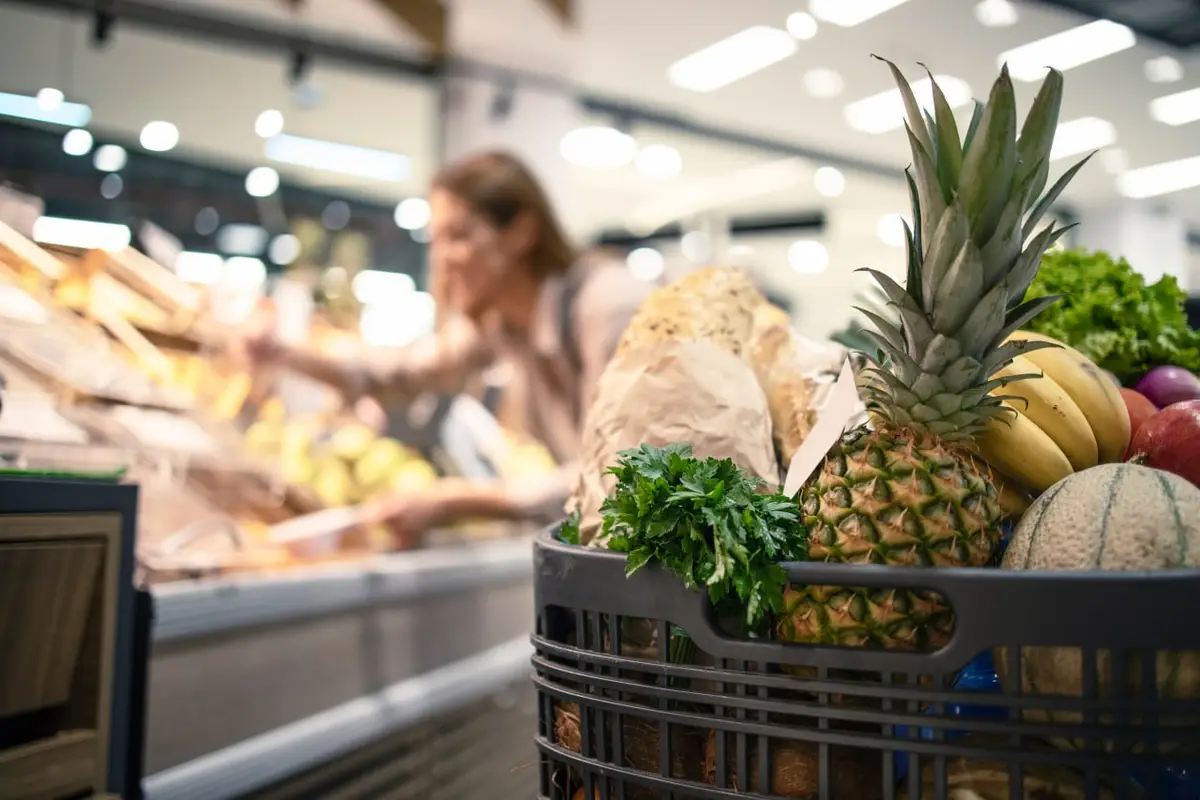
You’ve probably been there: you show up for a sale item and find an empty shelf where it should be. Or you walk in at 5 p.m. on Saturday and fight half the neighborhood for a cart. Most people shop whenever the week allows — and stores know it, because everyone shows up at the same time. Timing your trip is one of the few savings levers that costs nothing to pull. You just need to know when the trucks arrive, when the crowds do, and when the yellow stickers come out.
How Restocking Actually Works
Most big US chains receive deliveries overnight or in the early morning, and stocking crews work before the doors open. Perishables — produce, dairy, meat, bakery — rotate fastest, arriving daily or nearly so. Shelf-stable goods move on a slower cycle, often every few days.
Two separate clocks control what’s on the shelf. The first is the restock schedule. The second is the weekly ad cycle: at most chains a new ad starts on Wednesday or Sunday. On ad-change day, old sale items get cleared out and new ones hit the floor — which is why the same aisle can look completely different 24 hours apart.
When Major Chains Restock
Walmart. Grocery aisles are restocked overnight and in the early morning; general merchandise follows a slower 3–5 day cycle. After a specific item? Shop soon after opening — by evening, the day’s popular picks may be gone. Schedules vary by location, so a quick call can save a wasted trip.
Aldi. The weekly ad drops Wednesday morning at most stores (Sunday at some), and that’s also when limited Aldi Finds hit the center aisle. Wednesday morning is the double win: fresh stock and first pick of the Finds before they sell out — the popular ones don’t last the day.
Kroger. The weekly ad typically runs Wednesday through Tuesday, and perishables are stocked in the early hours. Late Wednesday or Thursday means the new sale items are on the shelf — and the weekend crowds haven’t arrived yet.
Trader Joe’s. Trucks arrive daily — employees report most stores get two a day — and fresh produce goes out every morning. Popular items can sell out by afternoon and won’t reappear until the next truck. Shop right at opening: morning shelves are dramatically fuller than after-work ones. Monday is the weakest day, since the weekend already cleaned out the stock.
Target and Costco. Both stock overnight. Target’s trucks arrive several times a week; Costco gets deliveries almost daily and rolls out stock before opening. Near opening is when shelves are fullest.
How to Read a Costco Price Tag
Costco hides its clearance in plain sight: .99 is the regular price. .97 is a manager markdown, set warehouse by warehouse — one of the best signals in retail. .00 or .88 is the final cut, usually returns or the last few units. And an asterisk in the corner means the item is discontinued and won’t be restocked — if it’s a favorite, it’s now or never.
The Worst Time to Shop
Saturday is the busiest grocery day of the week in the US, with Sunday right behind it. By Saturday afternoon, the week’s sale items are picked over and checkout lines are at their longest. Sunday has its own surge around noon — the post-church rush. On weekdays, USDA time-use data puts the peaks at late morning (11 a.m.–1 p.m.) and the after-work squeeze (4–6 p.m.). The quietest window of the week, by multiple analyses: Tuesday evening after 8 p.m. If the weekend is your only option, go early — Saturday morning is busy, but the stock is still there.
When the Yellow Stickers Come Out
Manager’s specials — bright stickers on meat, bakery, and deli items nearing their sell-by date — routinely run 30–50% off. The catch: every store sets its own schedule. Some mark down near-expiry meat and bakery first thing in the morning; others do a pass in the evening, after the dinner rush. Friday is prime time for meat markdowns: fresh shipments arrive Thursday and Friday, and older stock gets discounted ahead of the weekend.
The highest-leverage move in this whole article: ask the meat or bakery manager when they sticker. Then show up at that time. And anything you won’t eat within 2–3 days goes straight in the freezer — a markdown isn’t a deal if it spoils in your fridge.
The Rain Check Trick
Sale item gone? Don’t walk away. Most chains will write you a rain check at the service desk — a voucher for the sale price once the item is back in stock. And on ad-change day, some stores honor both the ending and the starting ad, so one Wednesday trip can catch clearance on last week’s specials and first pick of the new ones.
Your Weekly Cheat Sheet
- Monday–Tuesday: quietest aisles; Tuesday after 8 p.m. is the deadest window in grocery
- Wednesday: new ads at Aldi and Kroger; Aldi Finds drop; some stores honor both ads
- Thursday–Friday: full sale selection; Friday = meat markdowns
- Saturday: avoid, especially afternoon
- Sunday: second-busiest day; steer clear of noon
- Right at opening: fullest shelves almost everywhere
- Evenings: thin crowds, markdowns at many stores
The Bottom Line
Timing gets you full shelves, empty checkout lanes, and half-price meat. Knowing real prices keeps a fake “sale” from fooling you. That’s exactly what FindFox is built for: it shows what every item actually costs across nearby stores, so when you time your trip right, you know a genuine deal when you see one. Join the waitlist for early access when we launch in the US.